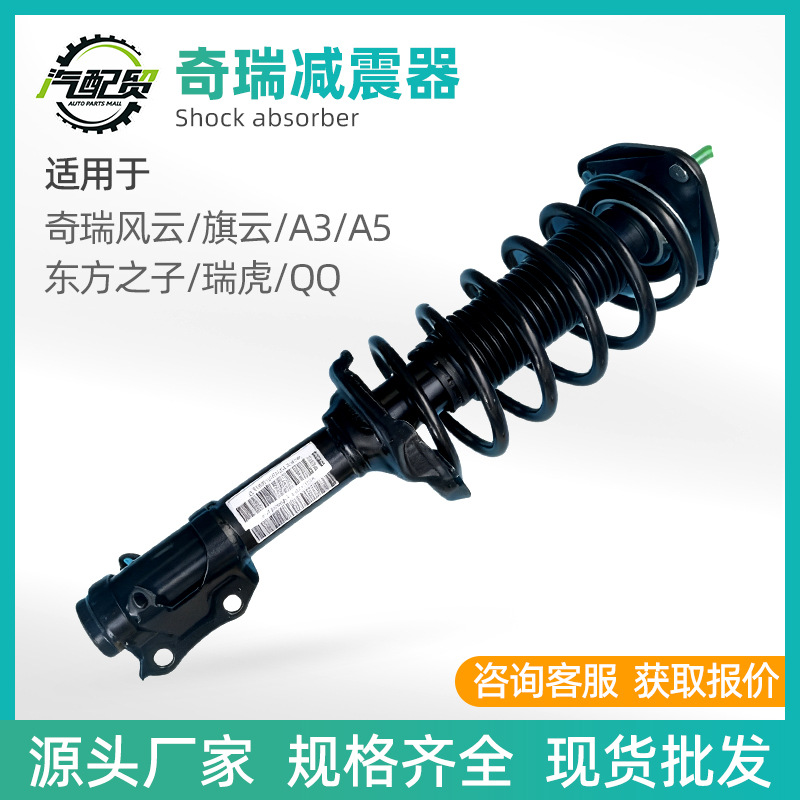
Shock absorbers (also called dampers) are key components of a vehicle’s suspension system, mounted between the chassis and wheels. Their primary role is to dampen the oscillating motion of the suspension springs when the vehicle passes over bumps, potholes, or uneven terrain.
Internally, most automotive shock absorbers use a hydraulic damping structure: they contain high-pressure hydraulic oil and precision-machined pistons with small orifices. As the suspension moves up and down, the piston forces the oil through these orifices, creating resistance that converts kinetic energy into heat (dissipated into the air). This process stops the vehicle from bouncing repeatedly, ensuring the tires maintain constant contact with the road surface.
Shock absorbers are categorized by structure and performance to suit different vehicle types and usage scenarios:
Twin-Tube Shock Absorbers
The most common type for passenger cars and SUVs, featuring an inner working tube and an outer reserve tube.
Advantages: Cost-effective, reliable, and suitable for daily commuting; the reserve tube helps cool the hydraulic oil to prevent overheating during long drives.
Monotube Shock Absorbers
Designed with a single high-pressure tube, often used in performance cars, off-road vehicles, and racing cars.
Advantages: Better heat dissipation, higher damping force, and faster response to suspension changes—ideal for high-speed driving or rough off-road conditions.
Adjustable Shock Absorbers
Allow drivers to adjust damping force manually or electronically (via vehicle control systems).
Advantages: Customizable ride comfort and handling—stiffer settings for sporty driving, softer settings for smooth urban travel.
High-quality shock absorbers deliver three core benefits that directly impact driving safety and comfort:
Improved Ride Comfort: Eliminates jarring vibrations from rough roads, reducing fatigue for drivers and passengers during long journeys.
Enhanced Handling Stability: Maintains tire-road contact, boosting traction for better acceleration, braking, and cornering—especially in wet or slippery conditions.
Reduced Component Wear: Minimizes stress on other chassis parts (e.g., springs, ball joints, tires), extending their service life and lowering overall vehicle maintenance costs.
Shock absorbers are classified as high-wear components; their performance degrades over time due to usage and environmental factors. Watch for these warning signs of failure:
Abnormal Vehicle Bounce & Vibration
Oil Leakage
Uneven Tire Wear
Poor Braking & Cornering Performance
The main causes of shock absorber failure include: long-term exposure to rain, mud, and road salt (causing corrosion); frequent driving on rough terrain (accelerating internal piston wear); and overloading the vehicle (putting excessive stress on the dampers).
Prioritize OE-Matched Specifications
Select shock absorbers that match your vehicle’s original equipment (OE) part number. OE-matched products are engineered to fit your vehicle’s suspension parameters, ensuring consistent performance with factory settings.
Match to Your Usage Scenario
Choose Reputable Brands & Channels
Purchase from authorized dealers or trusted auto parts platforms. High-quality shock absorbers are made with corrosion-resistant steel cylinders and wear-resistant seals, backed by warranty services.
Replace in Pairs
Always replace shock absorbers on the same axle in pairs—even if only one fails. Mismatched old and new units cause uneven damping, leading to poor handling and premature wear of the new component.
Follow Torque Specifications
Use a torque wrench to tighten mounting bolts to the vehicle manufacturer’s recommended torque. Loose bolts cause abnormal noise and reduce shock absorber effectiveness.
Post-Installation Test Drive
After installation, test drive the vehicle on a mix of smooth and rough roads to check for abnormal noises, body bounce, or uneven handling—adjust if necessary.
Regularly clean the shock absorber surface to remove mud, dust, and debris that can scratch the cylinder and damage seals.
Inspect mounting bolts and connections during routine vehicle maintenance to ensure they are tight and corrosion-free.
Avoid overloading the vehicle or driving aggressively on rough terrain—this reduces unnecessary stress on the shock absorbers.