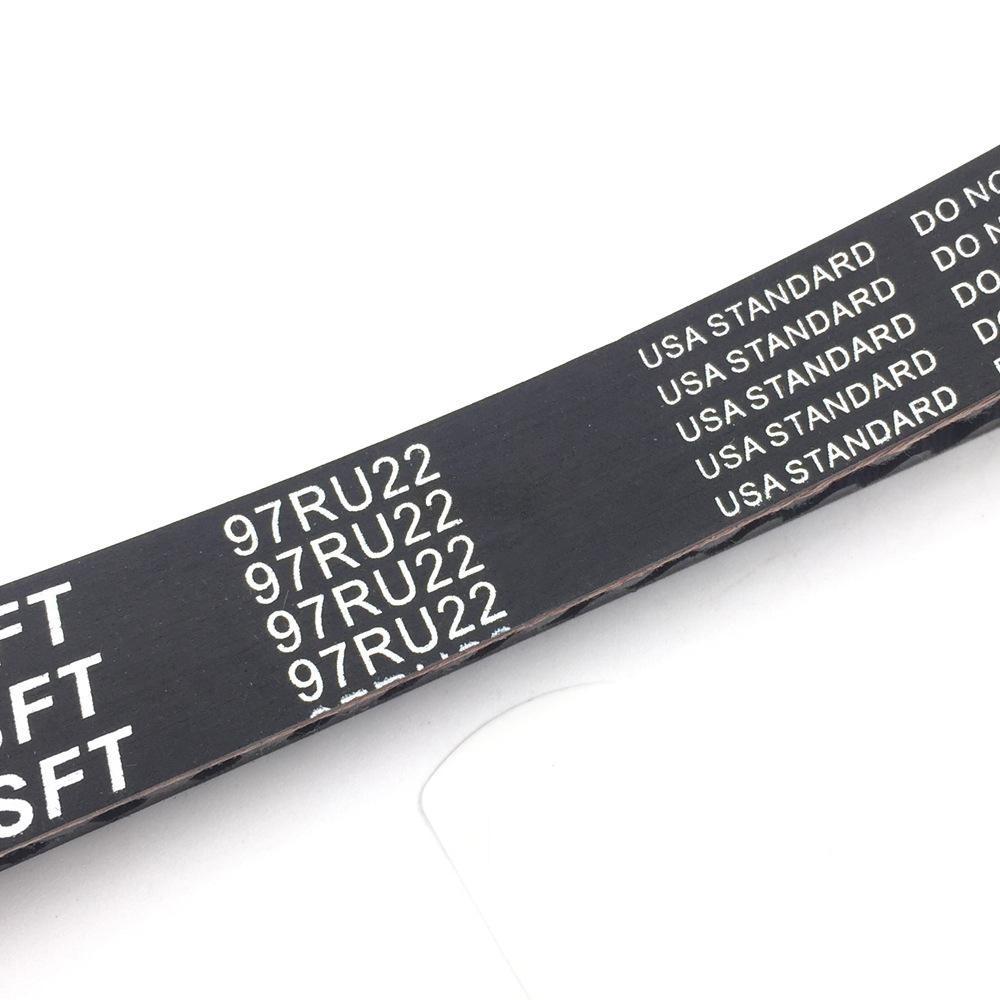
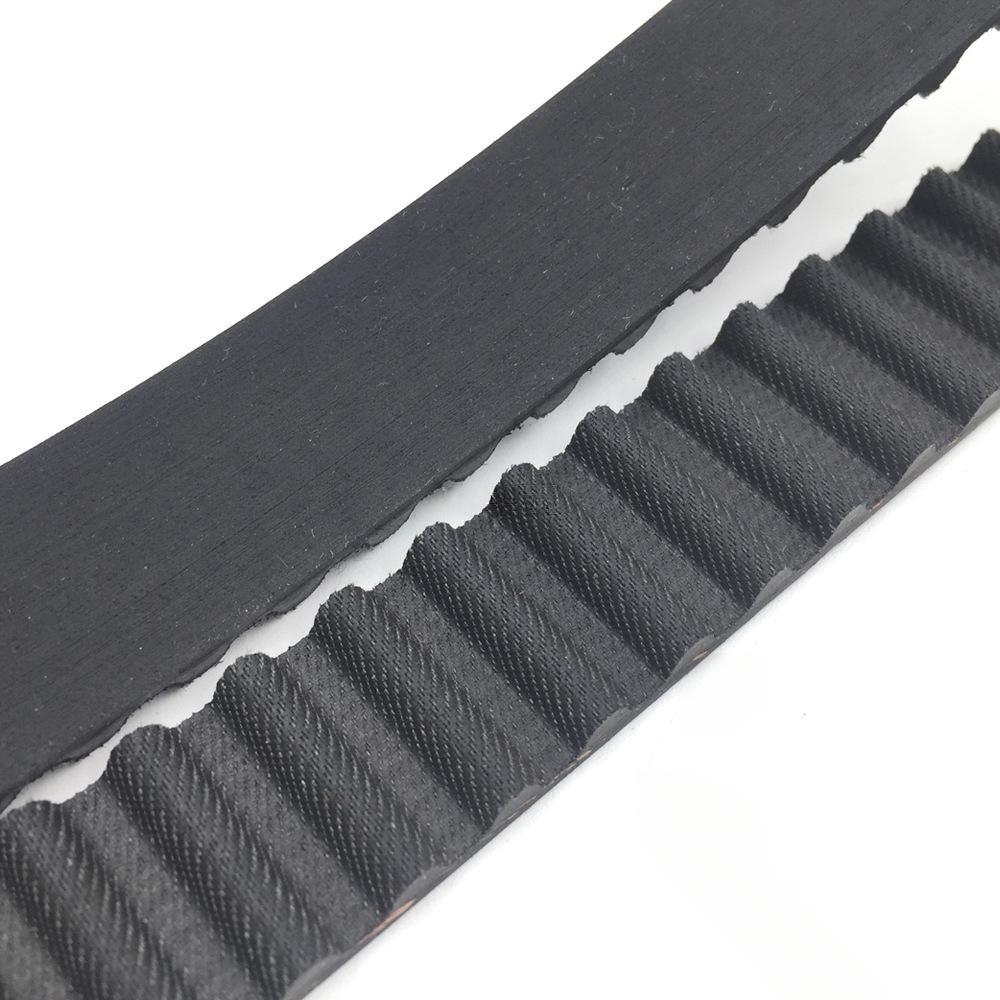
This engine drive rubber belt is a custom-fit power transmission accessory exclusively designed for Chery A5, E3, and E5 models, serving as a key link between the engine crankshaft pulley and auxiliary components (alternator, water pump, air conditioning compressor, power steering pump).
Its core function is to transfer the rotational power of the engine crankshaft to the auxiliary systems, ensuring the normal operation of critical vehicle functions:
Drives the alternator to generate electricity and charge the battery, maintaining the vehicle’s electrical system voltage stability.
Powers the water pump to circulate coolant, preventing engine overheating during operation.
Drives the air conditioning compressor and power steering pump (for equipped models) to ensure the normal use of air conditioning and power steering functions.
The belt is engineered to match the original engine pulley groove size and tension requirements of Chery A5/E3/E5, ensuring smooth power transmission without slipping or abnormal noise.
Premium Rubber Material & Durable Construction
High-Strength Rubber Compound: Made of EPDM (ethylene propylene diene monomer) rubber, featuring excellent heat resistance, oil resistance, and aging resistance. It can withstand the high-temperature environment of the engine bay (up to 120°C) and resist corrosion from engine oil, coolant, and other fluids.
Reinforced Internal Structure: Embedded with high-tensile polyester cords and aramid fiber layers, enhancing the belt’s tensile strength and fatigue resistance. It can withstand long-term high-load operation without stretching or breaking, with a service life of up to 60,000 kilometers under normal use conditions.
Precision Groove Design: The belt’s surface grooves are precisely molded to match the engine pulley’s tooth profile, ensuring tight engagement and reducing slip loss, which improves power transmission efficiency and fuel economy.
Stable Performance & Low Noise Operation
Uniform Thickness & Tension Calibration: Each belt undergoes strict factory tension testing and thickness calibration to ensure consistent performance. It operates with ultra-low noise (≤50dB), avoiding the squeaking or rattling sounds common in worn or low-quality belts.
Temperature Adaptability: Performs stably in extreme temperature ranges from -40°C to 120°C, suitable for use in both cold and hot climate regions without hardening or cracking.
Easy Installation & Direct Replacement
OE-Spec Dimensions: Manufactured to 1:1 original equipment standards, with the same length, width, and groove count as the factory-installed belt. It supports direct replacement without modifying the engine pulley or tensioner system.
Simple Installation Steps: Can be installed by professional maintenance personnel with standard tools in 20–30 minutes. The installation process only requires loosening the tensioner, removing the old belt, routing the new belt according to the pulley diagram, and adjusting the tensioner to the specified torque.
No Special Calibration Required: After installation, the belt works with the engine’s original tensioner to maintain proper tension automatically, no additional adjustment or calibration is needed.
Practical Usage & Maintenance Tips
Preventive Replacement: It is recommended to replace the belt every 60,000 kilometers or 4 years, whichever comes first, even if no obvious damage is found. This avoids sudden belt breakage during driving, which may cause engine overheating or auxiliary system failure.
Regular Inspection: Check the belt surface for cracks, fraying, or glazing every 10,000 kilometers. Also, inspect the tensioner and idler pulleys for abnormal wear or noise, as faulty pulleys can accelerate belt damage.
Installation Preparation
Turn off the engine and wait for it to cool completely to avoid burns.
Prepare tools including a socket wrench set, belt tension gauge, and the engine pulley routing diagram (usually located on the engine bay inner fender).
Check the new belt for defects such as cracks or deformation before installation.
Installation Steps
Locate the belt tensioner, use a socket wrench to rotate the tensioner and release the tension on the old belt.
Remove the old belt from the pulleys according to the routing direction.
Route the new belt around the crankshaft pulley, water pump pulley, alternator pulley, and other components following the pulley diagram to ensure correct engagement.
Rotate the tensioner again to tighten the new belt, use a tension gauge to adjust the tension to the manufacturer’s specified value (usually 8–12 N·m for Chery A5/E3/E5).
Start the engine and check for abnormal noise or belt slippage; re-adjust the tension if necessary.
Usage Notes
Do not use oil or grease to lubricate the belt, as this will cause slippage and accelerate wear.
Avoid over-tightening the belt, which may damage the tensioner bearing or cause the belt to stretch prematurely.
If the belt makes a squeaking noise during operation, check the tension or inspect for pulley misalignment, and repair it in a timely manner.
This engine drive rubber belt is 100% compatible with Chery A5, E3, and E5 models equipped with 1.5L, 1.6L, and 1.8L naturally aspirated engines. Confirm the vehicle’s engine displacement and original belt part number before purchase to ensure a perfect match.