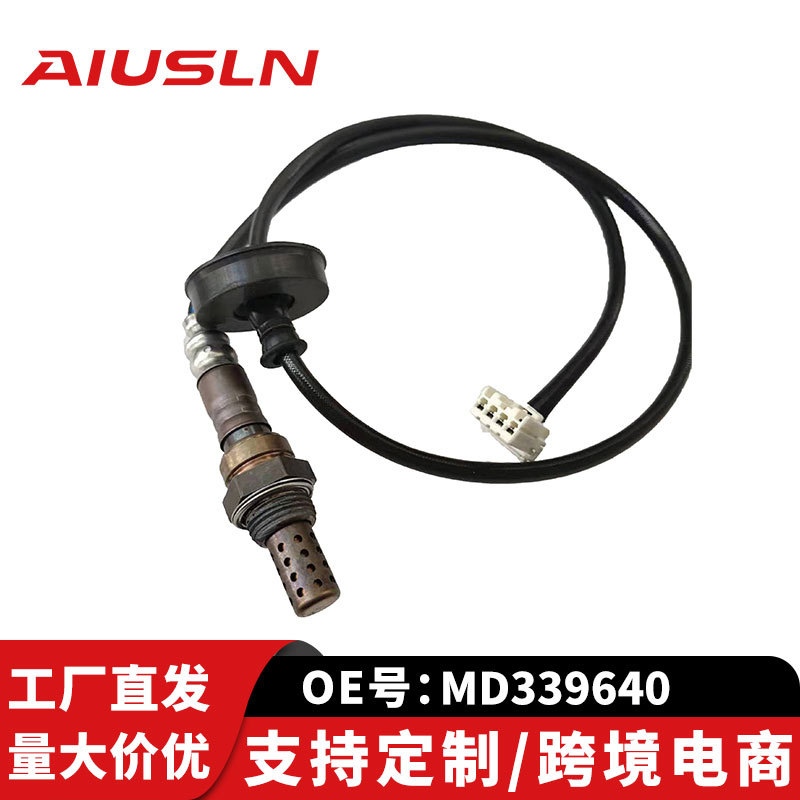
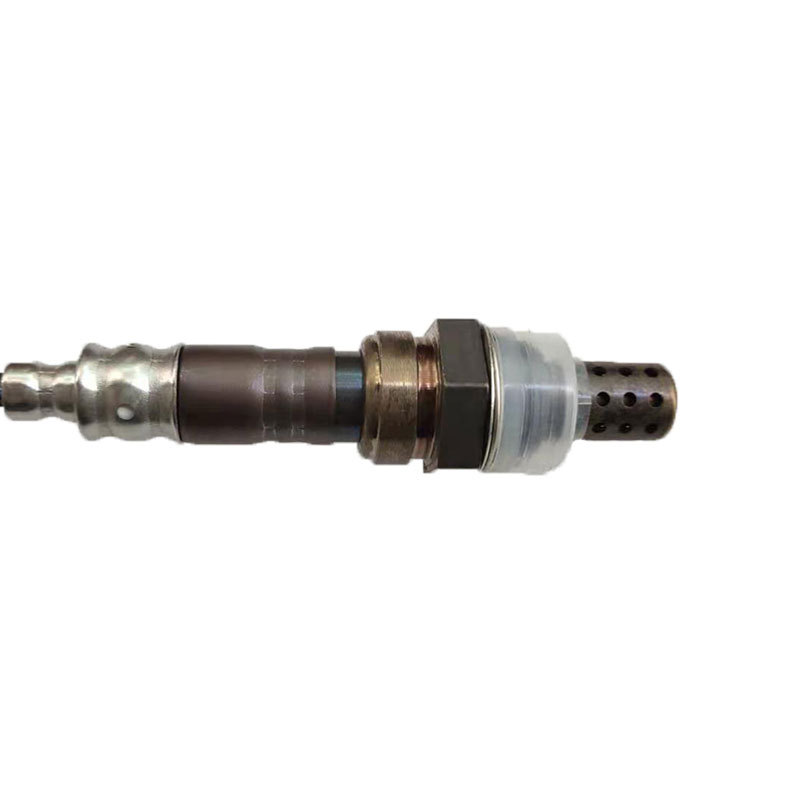
The car oxygen sensor (O2 sensor) is a key electronic component mounted in the vehicle’s exhaust system, typically positioned before and after the catalytic converter. Its core role is to monitor the oxygen concentration in the exhaust gas and transmit real-time voltage signals to the engine control unit (ECU).
The ECU uses these signals to adjust the air-fuel ratio of the engine: if the exhaust has excessive oxygen (lean mixture), the sensor signals the ECU to increase fuel injection; if oxygen is insufficient (rich mixture), the ECU reduces fuel supply. This precise regulation ensures the engine maintains an optimal 14.7:1 air-fuel ratio, maximizing combustion efficiency, reducing harmful exhaust emissions (HC, CO, NOₓ), and improving fuel economy. The sensor is compatible with gasoline engines of mainstream models, with OE-spec customized versions for Chery, Jetour, and iCAR series to match their ECU systems and exhaust pipe layouts.
High-Precision Sensing Element
The core of the oxygen sensor is a zirconia ceramic element coated with a porous platinum electrode. It generates a stable voltage signal (0.1–0.9V) based on the oxygen difference between the exhaust gas and the outside air. High-quality sensors feature:
Fast Response Speed: Reaches operating temperature (300–400°C) quickly and transmits signals in real time, ensuring the ECU adjusts the air-fuel ratio promptly during engine startup and acceleration.
High Measurement Accuracy: Maintains stable performance across a wide temperature range (-40°C to 900°C), avoiding signal drift that would cause poor engine performance.
Long Service Life: The platinum electrode is corrosion-resistant, and the ceramic element is protected by a stainless steel mesh cover, preventing damage from exhaust debris and extending the sensor’s service life to 50,000–100,000 kilometers.
Durable & Heat-Resistant Structure
The sensor housing is made of high-temperature resistant stainless steel, which withstands the extreme heat of the exhaust system without deformation or rust.
The wiring harness uses heat-resistant Teflon insulation, preventing damage from high-temperature exhaust radiation and ensuring stable signal transmission.
Sealed with high-temperature resistant gaskets, it prevents exhaust gas leakage and water ingress, avoiding short circuits and sensor failure.
OE-Spec Plug-and-Play Design
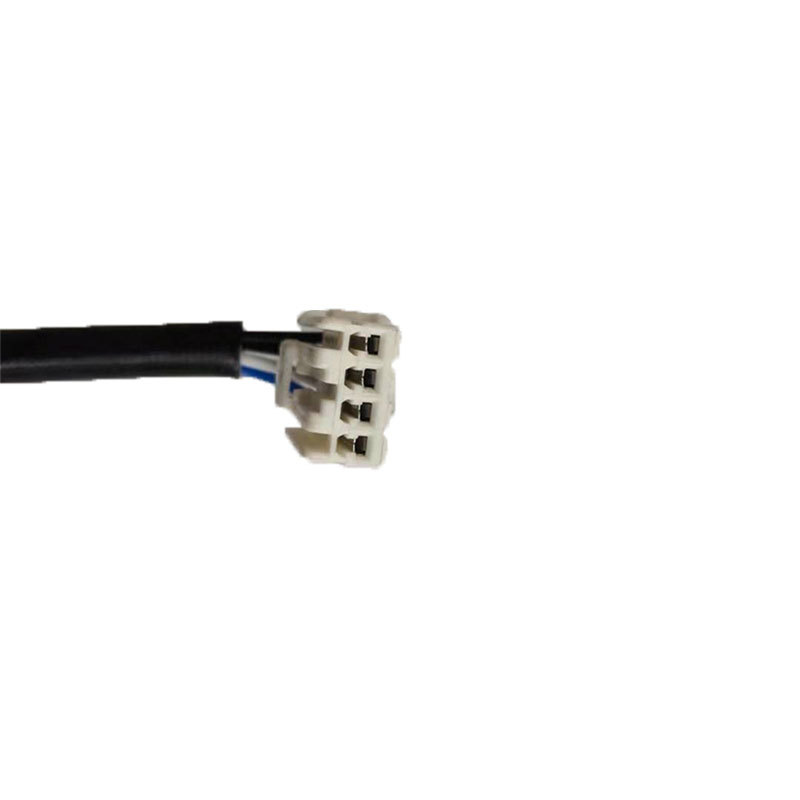
Engineered to 1:1 OE standards, the sensor’s connector matches the vehicle’s original wiring harness perfectly, requiring no wiring modifications or ECU programming. Installation is simple:
Locate the sensor in the exhaust pipe, disconnect the old sensor’s connector, and remove it using an oxygen sensor socket wrench.
Apply anti-seize compound to the new sensor’s thread (avoiding the sensing element) and tighten it to the specified torque.
Reconnect the wiring harness, start the engine, and the ECU will automatically recognize the sensor, with no additional calibration needed.
Energy-Saving & Emission-Reducing Performance
A well-functioning oxygen sensor helps the engine maintain optimal combustion, reducing fuel consumption by 5%–10% and cutting harmful exhaust emissions significantly. It also prevents engine issues such as rough idling, hesitation during acceleration, and excessive black smoke from the exhaust, extending the service life of the catalytic converter.
Installation Preparation
Park the vehicle on a flat surface, turn off the engine, and wait for the exhaust system to cool completely to avoid burns.
Prepare tools: oxygen sensor socket wrench, ratchet, torque wrench, and anti-seize compound.
Installation Steps
Disconnect the negative terminal of the battery to prevent electrical short circuits.
Locate the oxygen sensor (pre-cat sensor near the exhaust manifold; post-cat sensor after the catalytic converter).
Disconnect the sensor’s wiring connector and remove the old sensor with the socket wrench.
Clean the sensor mounting thread on the exhaust pipe, apply a thin layer of anti-seize compound to the new sensor’s thread (do not coat the sensing element or the end of the thread).
Install the new sensor and tighten it to the manufacturer’s specified torque (usually 30–40 N·m).
Reconnect the wiring connector and the battery negative terminal.
Start the engine and check for fault codes with an OBD scanner; clear any residual codes.
Usage Notes
Replace oxygen sensors in pairs (pre-cat and post-cat) if both are faulty, to ensure consistent performance.
Do not use fuel additives containing lead, as lead will poison the platinum electrode and damage the sensor permanently.
Regularly check the sensor’s wiring harness for damage or loose connections; a damaged harness will cause incorrect signal transmission.
Replace the sensor promptly if the vehicle shows symptoms such as increased fuel consumption, rough idling, or illuminated check engine light (related to oxygen sensor fault codes).
This oxygen sensor offers OE-spec customized versions for Chery, Jetour, and iCAR series gasoline engine models (including Tiggo 8 Pro, Jetour X70, iCAR 03). Universal versions are also available for mainstream passenger cars, SUVs, and light trucks with OBD-II systems. When purchasing, confirm the vehicle’s year, model, engine type, and sensor type (pre-cat/post-cat) to ensure a perfect match.