
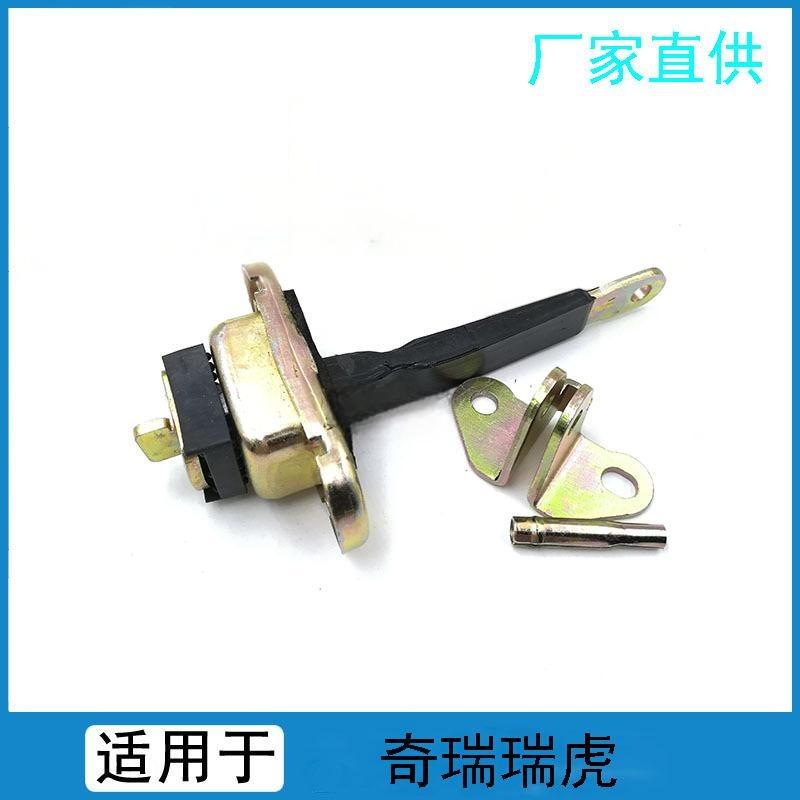
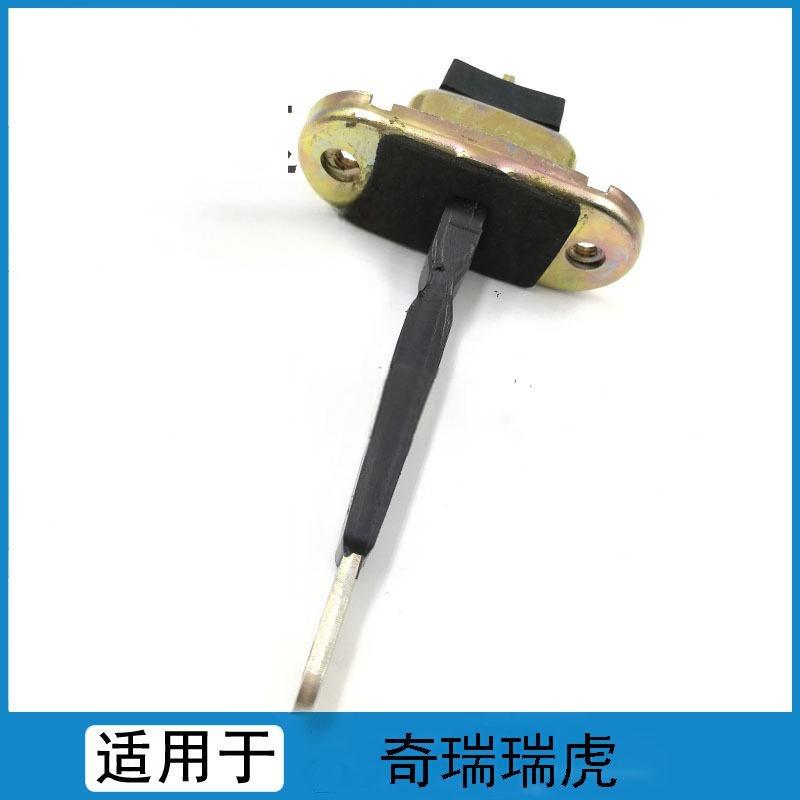
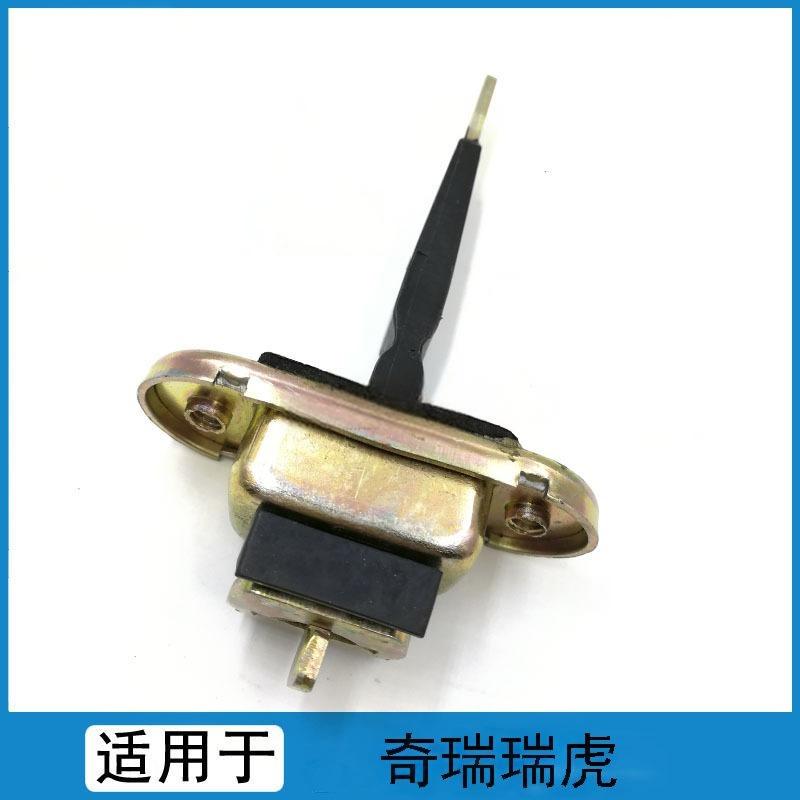

Core Safety Component for Door Position Limitation & Stabilization
Core Function & Product Overview
Position Limitation: It restricts the door to open in fixed gear positions (usually 2–3 gears), preventing the door from swinging fully open due to wind or uneven ground, and avoiding collisions with surrounding objects such as walls, pillars, or other vehicles.
Stabilization & Anti-Sagging: It supports the weight of the door, reducing the load on the door hinge and preventing the door from sagging or tilting after long-term use. This ensures smooth opening and closing of the door, and eliminates abnormal noises caused by loose hinges.
Core Features & Advantages
High-Strength Material & Durable Construction
The door check strap adopts a stamped steel + forged pivot integrated structure, with material performance optimized for long-term use:
Stamped Steel Arm: Made of high-quality cold-rolled steel with a thickness of 2.0–2.5mm, processed by precision stamping and bending. The surface is treated with electrophoretic coating and galvanizing for double anti-corrosion protection, effectively resisting rust caused by rain, snow, and road salt erosion.
Forged Pivot & Roller Assembly: The internal pivot shaft and roller are made of bearing steel, with quenching and tempering treatment to improve hardness and wear resistance. The roller structure reduces friction during door opening and closing, ensuring smooth operation without jamming.
Reinforced Rubber Bushings: Equipped with high-quality nitrile rubber (NBR) bushings at the connection points, which absorb vibration and reduce noise during door movement, and avoid direct metal-to-metal contact that could cause wear to the door or body.
Precision Gear Design & Reliable Locking Performance
The steel arm of the check strap is designed with precision gear teeth that engage with the internal pawl mechanism. Key design highlights include:
Multi-Gear Positioning: The gear teeth are arranged at scientific intervals to achieve 2–3 fixed opening positions, meeting different usage scenarios (e.g., narrow parking spaces require a small opening angle, while spacious areas allow full opening).
Secure Locking Force: The pawl and gear teeth are precisely matched to provide stable locking force, preventing the door from being blown shut by strong winds or swinging open unexpectedly. The unlocking force is calibrated to be moderate, ensuring easy door closing without excessive effort.
Smooth Operation: The roller and gear tooth structure minimizes friction resistance, making the door opening and closing process smooth and quiet, without the "jerking" feeling common in worn check straps.
Direct Replacement & Easy Installation
The door check strap adopts a bolt-on connection design that is fully compatible with the original vehicle’s mounting holes and fixing structure. Installation can be completed by professional maintenance personnel with standard tools in 15–20 minutes:
Installation Steps: First, open the door to the maximum position and secure it with a support rod. Then, remove the fixing bolts connecting the check strap to the door and body, detach the old component, clean the mounting surface, align the new check strap with the holes, and tighten the bolts evenly according to the specified torque.
No Calibration Required: After installation, the door opening positions and operation feel are consistent with the factory setting, without the need for secondary adjustment.
Practical & Reliable Details
Anti-Corrosion Sealing: The internal mechanism is filled with grease and sealed with a dust cover to prevent dust, sand, and water from entering, extending the service life of the moving parts.
OE-Spec Dimensions: Manufactured to 1:1 original part specifications, ensuring perfect fit with the door and body, and avoiding gaps or misalignment that could affect performance.
Rigorous Testing: Each check strap undergoes fatigue testing (over 50,000 opening and closing cycles) to ensure long-term reliability under harsh use conditions.
Installation & Usage Guidelines
- Installation Preparation
Park the vehicle on a flat surface, turn off the engine, and engage the parking brake.
Prepare tools including a socket wrench set, torque wrench, and a door support rod to prevent the door from swinging during installation.
Clean the mounting surfaces on the door and body with a wire brush to remove rust and debris.
- Installation Steps
Open the door to the middle gear position and fix it with the support rod to avoid accidental closure.
Remove the two fixing bolts (one on the door, one on the body) using a socket wrench, then take out the old check strap.
Apply a thin layer of anti-rust grease to the new check strap’s mounting points, align it with the holes on the door and body, and install the bolts.
Tighten the bolts to the specified torque (refer to the vehicle maintenance manual) to ensure firm fixation without over-tightening.
Remove the support rod, test the door opening and closing function, and check for abnormal noises or loose positions.
- Usage Notes
Do not use the door check strap to bear the weight of the door for a long time; always use a support rod during maintenance.
Regularly check the bolts for tightness; re-tighten them if loose to avoid component damage or door sagging.
Replace the check strap immediately if it shows signs of deformation, rust breakage, or jamming during operation, to ensure driving safety.
Compatibility Statement


Form
PHONE*
*
©2025 Hefei New Exeed Machinery Technology Co., Ltd. All rights reserved